
 Lalmani Memorial Sansthan (LMS):
LMS is a registered non-governmental organization based in Madhubani, Bihar. Since 2003, we have been working to promote human rights, gender justice, education, health, livelihoods, sanitation, and environmental protection — with a special focus on empowering marginalized communities in Bihar and Jharkhand.
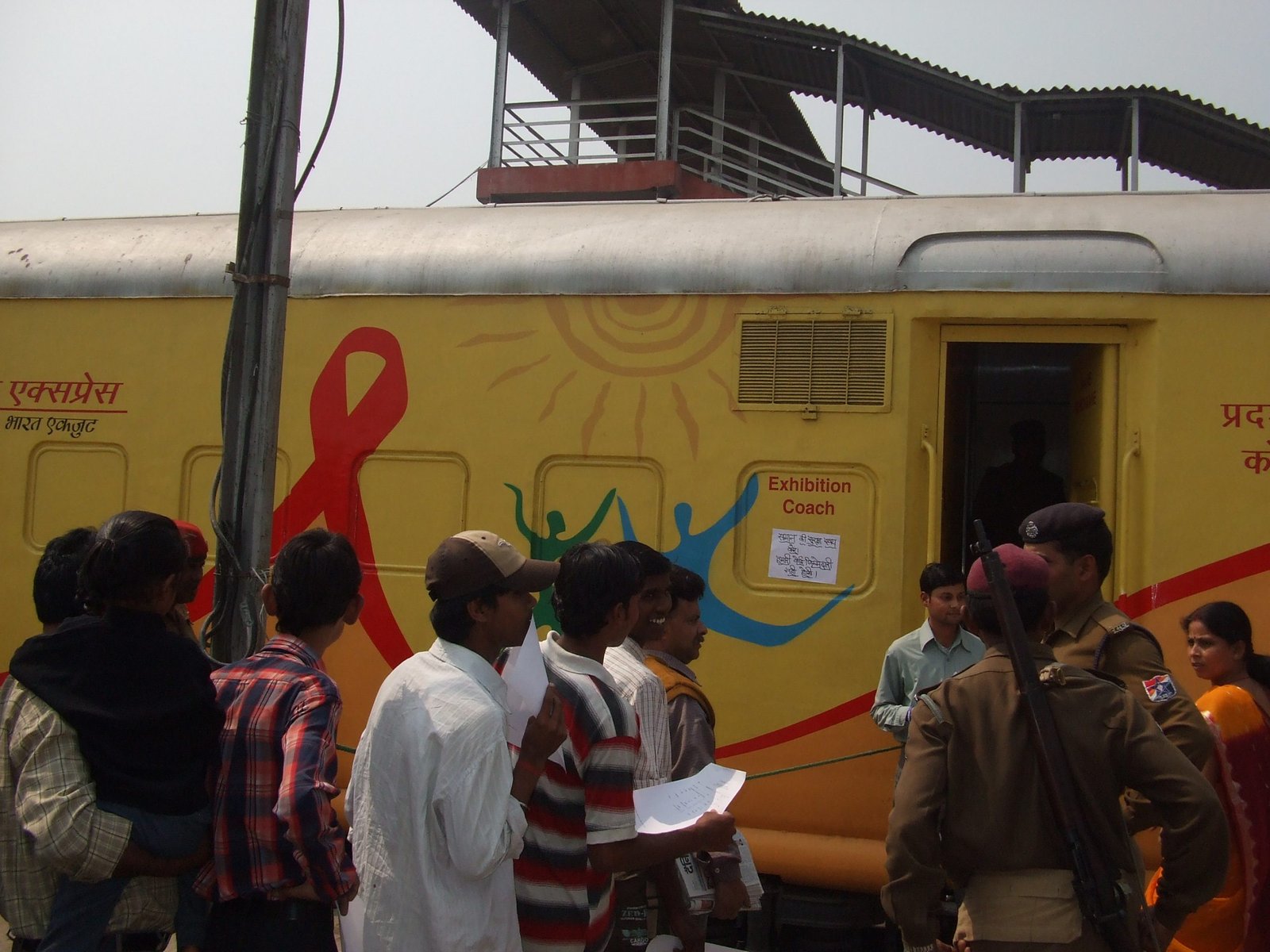
India faces a growing threat from HIV/AIDS, often described as a “ticking time bomb” by global health experts. The rapid rise of HIV infections in certain regions, if left unchecked, could follow the devastating trajectory already witnessed in parts of Africa.
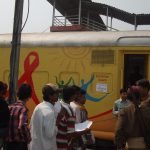
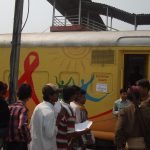
In Bihar, the true scale of the epidemic remains unclear due to low testing rates, social stigma, and a general lack of awareness. Recognizing this urgent public health challenge, Lalmani Memorial Sansthan launched a targeted AIDS Awareness & Control Programme across its project areas in Bihar.
Approach & Strategy:
Our organization acknowledged that effective prevention and control of HIV/AIDS requires community participation, NGO engagement, and corporate sector support—the Government alone cannot tackle the epidemic without these partners.
Guided by national-level apex institutions and expert consultations, the Project Management Committee of Lalmani Memorial Sansthan designed an integrated intervention programme to:
✅ Promote awareness and accurate information about HIV/AIDS
✅ Combat stigma and discrimination
✅ Encourage voluntary testing and early diagnosis
✅ Support safe practices and preventive behaviors
✅ Facilitate access to treatment and counseling services
Key Focus Areas:
-
AIDS – The Invisible Inferno
-
The Human Immunodeficiency Virus (HIV)
-
Clinical Features of HIV/AIDS
-
Pediatric AIDS
-
Pathology of AIDS
-
Spectrum of Opportunistic Infections
-
Cancers Associated with AIDS
-
AIDS-Related Complex (ARC) – An Early Warning Sign
-
Diagnostic Approaches
-
Treatment Options
-
Prevention – The Only Sure Cure
Activities Conducted:
-
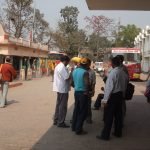
Community-level workshops and seminars in rural and urban areas
-
Street plays, poster campaigns, and information booths to reach illiterate populations
-
Counseling sessions encouraging individuals to come forward for voluntary testing
-
Partnerships with local healthcare centers to strengthen early diagnosis and treatment
-
Efforts to reduce fear and discrimination, helping people to seek help without shame
Challenges:
-
Deep-rooted social stigma and lack of accurate information
-
Reluctance to undergo blood testing due to fear of discrimination
-
Misinformation and taboos still prevalent in many rural areas
Impact:
-
Raised awareness across multiple villages and urban settlements
-
Increased willingness among individuals to seek testing and counseling
-
Built stronger community networks for support and education
-
Contributed to prevention efforts through behavior change and better understanding of HIV/AIDS
- June 20, 2025